
In 1990, computer scientist Tim Berners-Lee changed the world forever with his invention of the World Wide Web. Since then, the internet has become a valuable resource, enabling over four billion people across the world to access information, to form connections and to communicate.
It is an important tool for young people for the same reasons, opening up new and exciting opportunities for creativity and innovation. Therefore it is increasingly important that they have the necessary protection when accessing the internet and are given the knowledge and skills to manage their activity online.
A range of helpful one-page guides have been created by The National College (formerly National Online Safety) to support parents in their efforts to keep their children safe online. These can be viewed and downloaded below.
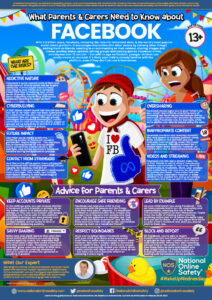
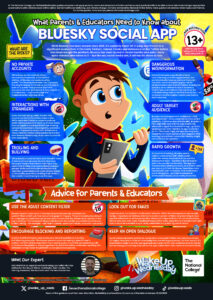
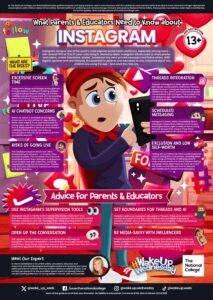
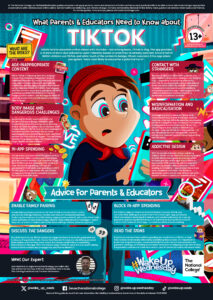
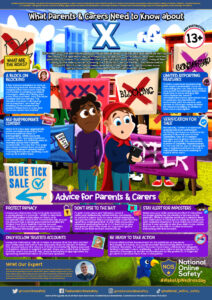
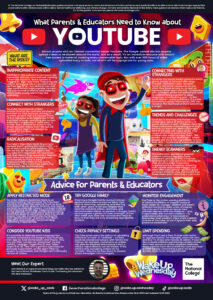
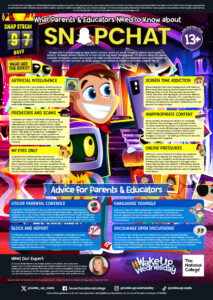
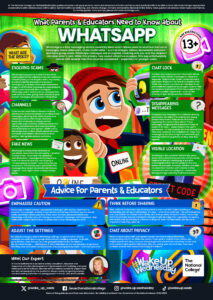
The National College resources – social networking
All parents will have received an email discouraging the use of various social networking sites such as Facebook, Instagram, YouTube, TikTok, Snapchat etc. by children, particularly in the Prep Department. However, even though the minimum age limit across the majority of these sites is thirteen, you may not be aware of how easily restrictions can be bypassed and the risks that may arise from accessing particular sites.
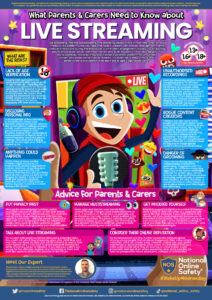

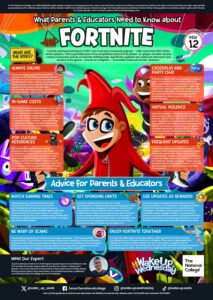
The National College resources – online gaming
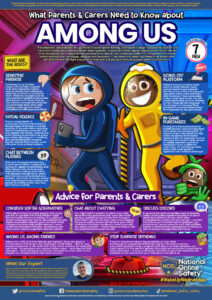
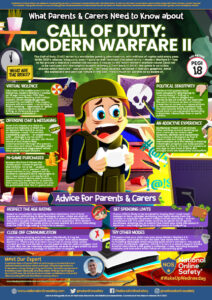
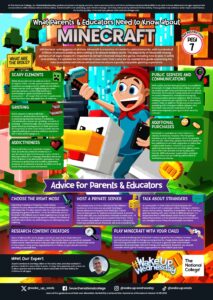
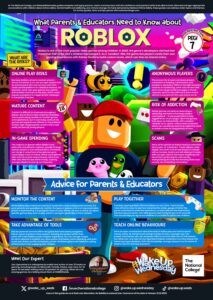
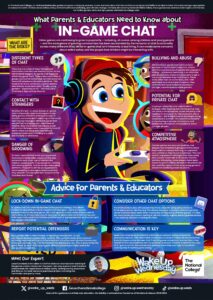
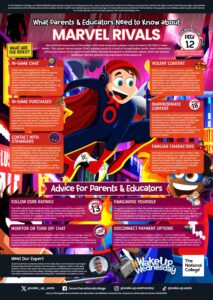
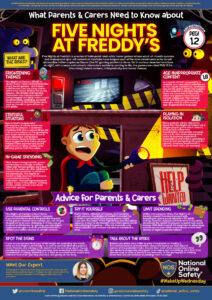
Playing online games is becoming increasingly popular, with over three-quarters of teenagers and nearly 70% of primary-aged children engaging in this activity, according to figures published by Ofcom in 2022. While online gaming carries inherent risks, when managed responsibly and incorporated into a balanced routine, it can have a positive impact on wellbeing and mental health. Gaming can foster a sense of achievement and pride, while also helping to develop essential skills such as problem-solving, creativity and teamwork. To gain a better understanding of the types of games your child may be accessing and the potential dangers, please read the guides provided.


Parental controls
Parental controls are an important way to keep your child safe online. Used to block upsetting or harmful content, control in-app purchases or manage how long your child spends online, parental controls are easy to set up for any device. Simple instructions can be viewed and downloaded here>.
Search engines
Children will often want to conduct innocent searches on the internet, but these can sometimes lead to no-so-innocent results. Using safe, child-friendly search engines such as KidRex and Swiggle will help alleviate these issues.
Additional resources
Childnet :
Supporting Young People Online: Information and Advice for Parents and Carers
UK Safer Internet Centre :
Information and Online Resources Factsheet
The NSPCC also has lots of information online to help parents keep their children safe online while using apps, games and social networks. Visit NSPCC Share Aware